


Digital signage and printed signs both share a message, but they work in very different ways. Print is cheap to start and needs no power, while digital costs more upfront but updates in seconds and grabs more attention. The better choice depends on how often your message changes and how much you value speed. This guide compares the two on cost, updates, and impact so you can decide with confidence.
Key Points
- Printed signs cost less upfront but more over time.
- Digital signage updates in seconds from anywhere.
- Motion and video help digital screens grab attention.
- Print still works for permanent or one-time messages.
- The right choice depends on how often your message changes.
What Is the Real Difference Between Digital & Printed Signage?
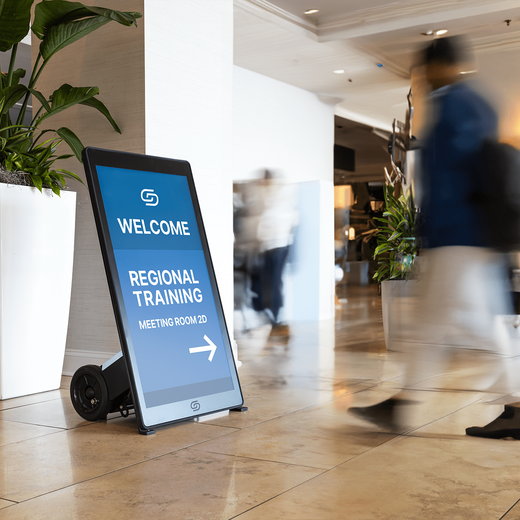
The core difference is simple: print is fixed, and digital is flexible. A printed sign is designed once, produced, and hung, and it stays exactly the same until someone prints and hangs a replacement. A digital sign shows content from software, so you can change it anytime without touching the screen. That single trait shapes almost every other difference between the two.
That flexibility changes how you use each one. Print is best for messages that rarely change, like a store name or a permanent notice. Digital fits messages that shift often, like prices, promos, menus, or events. The more your content moves, the more that flexibility is worth paying for.
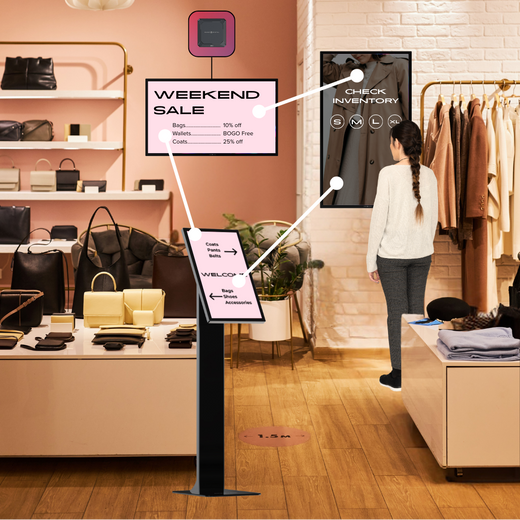
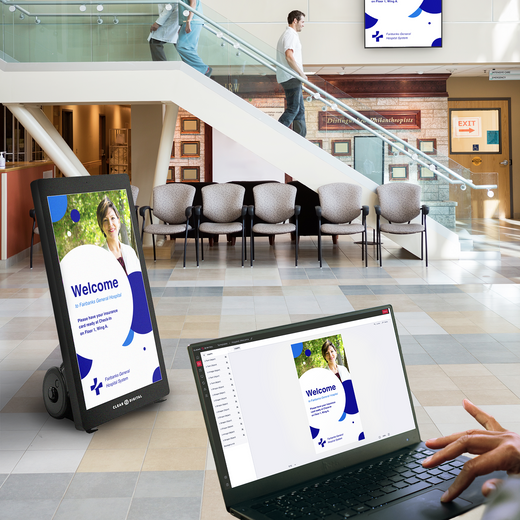
Digital also does things print simply cannot. It can loop video, rotate several messages, pull in live data, and switch content by time of day. A single digital screen can do the work of many printed posters, all in the same spot on the wall. Learning how digital signage works shows what makes this flexibility possible behind the screen.
Match the medium to how often your message changes. A message that updates weekly is a strong sign that digital will pay off, while a message that never changes points straight to print.
Which Costs Less, Digital Signage or Print?
Digital signage costs more upfront but less over time. A single digital screen usually runs about $1,000 to $3,000 for the display, player, and software, while a printed poster costs only $20 to $100. Digital wins over months and years because updates are free, while every print change means paying to design, print, and hang all over again.
Here is how the costs compare over time:
- Upfront cost: Print is low, digital is higher due to the screen and setup.
- Update cost: Print means reprinting every time, digital updates are free.
- Labor: Print needs design, printing, and hanging, digital needs a few clicks.
- Waste: Print creates thrown-out posters, digital creates none.
- Scale: Updating many print signs is costly, updating many screens is one action.
If your message never changes, print is the cheaper path and there is no shame in that. But if you update often, the reprinting and labor costs add up until digital becomes the better deal. Frequent changes are the clearest signal that a screen will earn its keep. Many businesses find the break-even point comes faster than they expect once they count every reprint. A restaurant that swaps specials weekly, for example, may cover the cost of a screen in a single busy season. The key is to look at the full year, not just the price tag on day one.
Add up a full year of print costs before you compare. That honest total is the fairest way to judge digital against print. Remember to include the hours your team spends on each change, not just the printing itself. The benefits of digital signage add up fast once you factor in the time you save.
Which Is Easier to Update, Digital or Printed Signs?
Digital signage is far easier to update than print. You edit the content and the screen changes in seconds, with no waiting, shipping, or ladder involved. A printed sign, by contrast, means new design work, a trip to the printer, and time spent hanging it.
That speed matters most when timing counts, since a message is only useful if it arrives while it still matters. You can push a flash sale the moment it starts, fix a price typo right away, or swap a menu for happy hour without lifting a poster. Print simply cannot react at that pace. By the time a new poster is printed and hung, the moment you wanted to catch may already be gone.
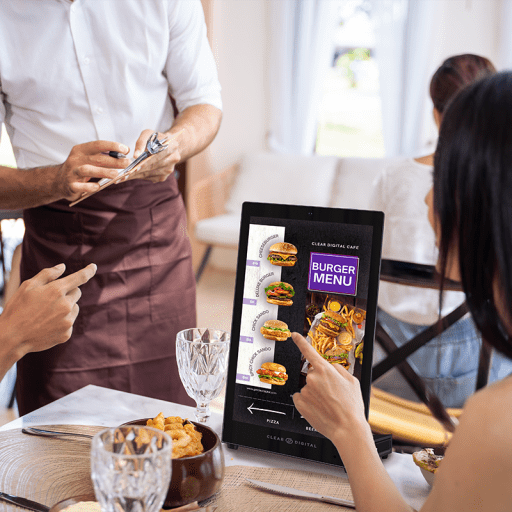
Digital also lets you update many screens at once from one place. A chain can change every location's promo with a single action, while print would need a separate poster shipped to each store. That difference grows huge as you add locations, since digital effort stays flat while print effort keeps climbing. You can see how fast this works with our digital menu displays, which swap prices and specials in seconds.
Give one person clear ownership of your screen content. Easy updates only help if someone is actually keeping the screens fresh, so build it into a routine.
When Do Printed Signs Still Make Sense?
Printed signs still make sense for messages that never change, tight budgets, and spots with no power. In those cases, a simple poster is the smart, low-cost choice. Print also needs no software, no updates, and no power bill, which keeps it truly hands-off once it is up.
Here are times print still wins:
- Permanent info: Store names, hours, or safety notices that rarely change.
- Tight budgets: One-off needs where a screen is overkill.
- No power: Spots where running electricity is hard or costly.
- Small prints: Shelf tags, labels, and tiny notices.
- One-time events: A single banner for a day-long event.
Many businesses actually use both together. They put digital screens where messages change often, like menus and promos, and they use print for fixed signs like hours, room numbers, and directions. This mix gives you the strengths of each without overspending. A cafe might hang a printed sign with its hours by the door and run a digital menu board inside, using each tool where it shines.
Use print for what stays the same and digital for what changes. Thinking this way keeps your costs low and your key messages fresh, giving you the best of both worlds. If you are weighing your first setup, a quick primer on what digital signage is covers the basics before you buy.
Ready to Decide Between Digital Signage and Print?
For anything that changes often, digital signage wins, while print is best for fixed, one-time signs. Print is cheaper on day one and great for permanent info, but digital pays off over time with fast, free updates and stronger attention. The more you update, the further ahead digital pulls.
If you are leaning toward digital, the clearest next step is to see it in action. Our own CMS, Sho, lets you update any screen in seconds from anywhere, something print can never match. Book a free demo and we will walk you through the platform, recommend the right displays, and build a custom quote with no pressure.